
No AI
Human-only workStudents demonstrate the targeted knowledge or skill entirely without AI assistance.
The student completes and explains the work independently.Professional Learning
Keith designs research-informed learning around authentic classroom, curriculum, and assessment work. Participants develop shared language, test practical tools, and return to their roles with routines they can use and review.
Teachers · Middle leaders · Schoolwide implementation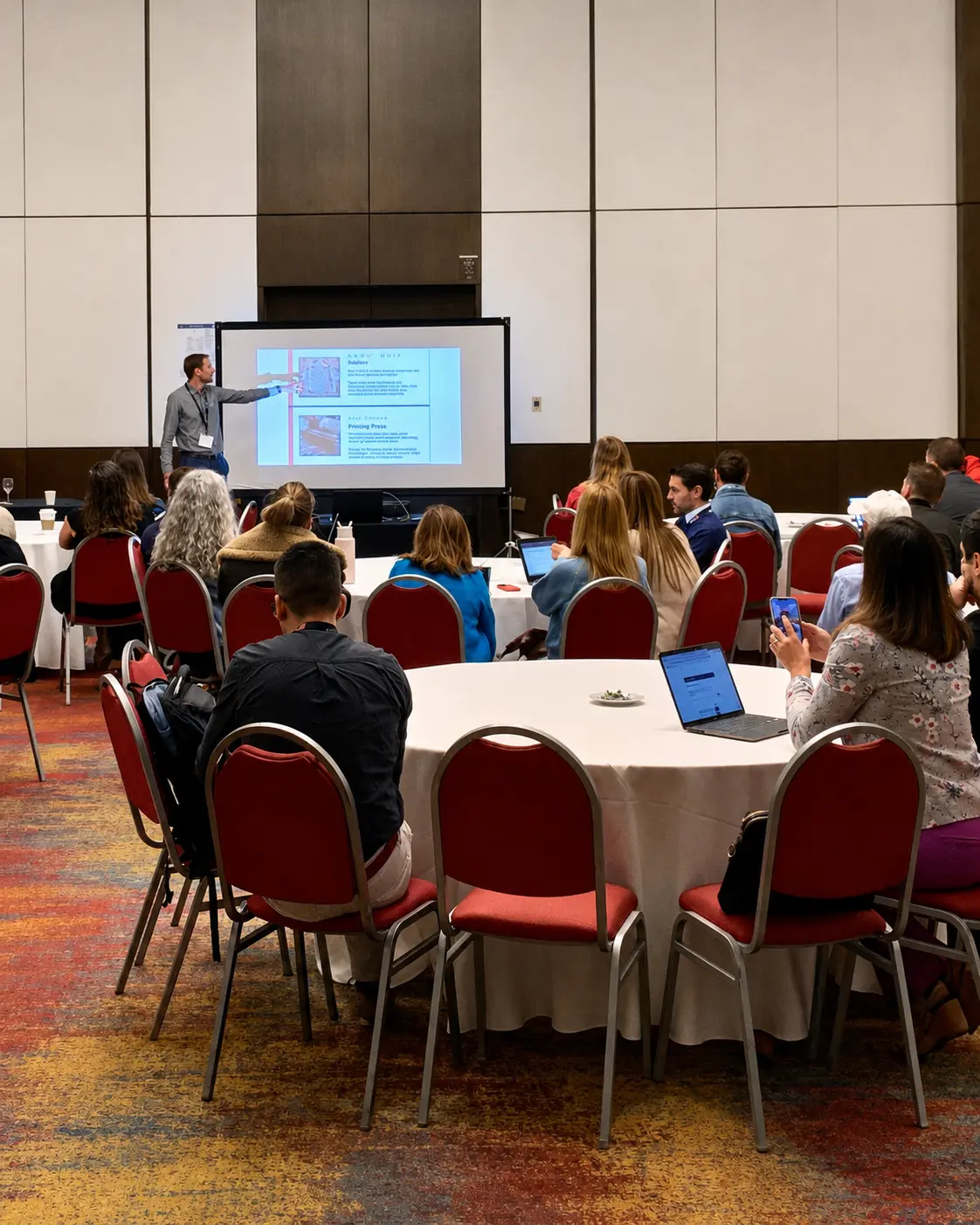
What the research changes
AI can support explanation, feedback, practice, and idea development. Unstructured reliance can also weaken independent performance. Professional learning therefore focuses on how the task, guidance, evidence, and AI role are designed.
AI as a Thought Partner: AI may question, organize, critique, or produce. People retain purpose, judgment, and responsibility.
The learning goal remains primary.
Learners reason before AI performs the targeted skill.
The permitted role of AI is explicit before work begins.
Learners check, revise, explain, and show their decisions.
Learners demonstrate the skill independently when it matters.
Evidence-informed, not tool-led. The research is translated into concrete design decisions, participant practice, and follow-up.
From training to practice
The work combines shared understanding, authentic practice, common tools, and follow-up evidence.
Examine current evidence, distinguish productive support from substitution, and establish a common human-centered position.
Apply AI to classroom, curriculum, and assessment work that participants already need to complete.
Practice with AI Usage Levels, thought-partner routines, verification protocols, and planning structures.
Review classroom use, student evidence, and educator experience before refining or expanding the work.
One shared tool
The level belongs to the assignment, not the student. As AI takes on more production, expectations for transparency, verification, judgment, and human responsibility increase.
Students demonstrate the targeted knowledge or skill entirely without AI assistance.
The student completes and explains the work independently.AI may coach, explain, brainstorm, support practice, or give feedback. Students create the submitted work.
The student does the production and remains the author.AI may contribute ideas or content. The student directs the process, evaluates the contributions, and substantially revises the work.
The student remains the primary author and decision-maker.AI may generate substantial portions of the work or the complete initial output. The student directs, verifies, evaluates, and revises it.
The student makes the final decisions and remains responsible for the result.Usage Levels answer: What may AI do in this task?
Curriculum standards answer: What should students progressively understand and be able to do?
See the K-12 curriculumOne connected school approach
Schools may begin in one area. The work becomes coherent when direction, adult practice, and student learning reinforce one another.
Professional Learning